

Departures
Writing life: 109

We’re all familiar with actors, painters, musicians, and yes, writers, who have established themselves in one particular form or style, but then found themselves feeling a little cramped in the box they created for themselves. So, somewhere along the road, they take a slight or sharp turn. They do something that seems like a departure—hence the title of this post.
The actor
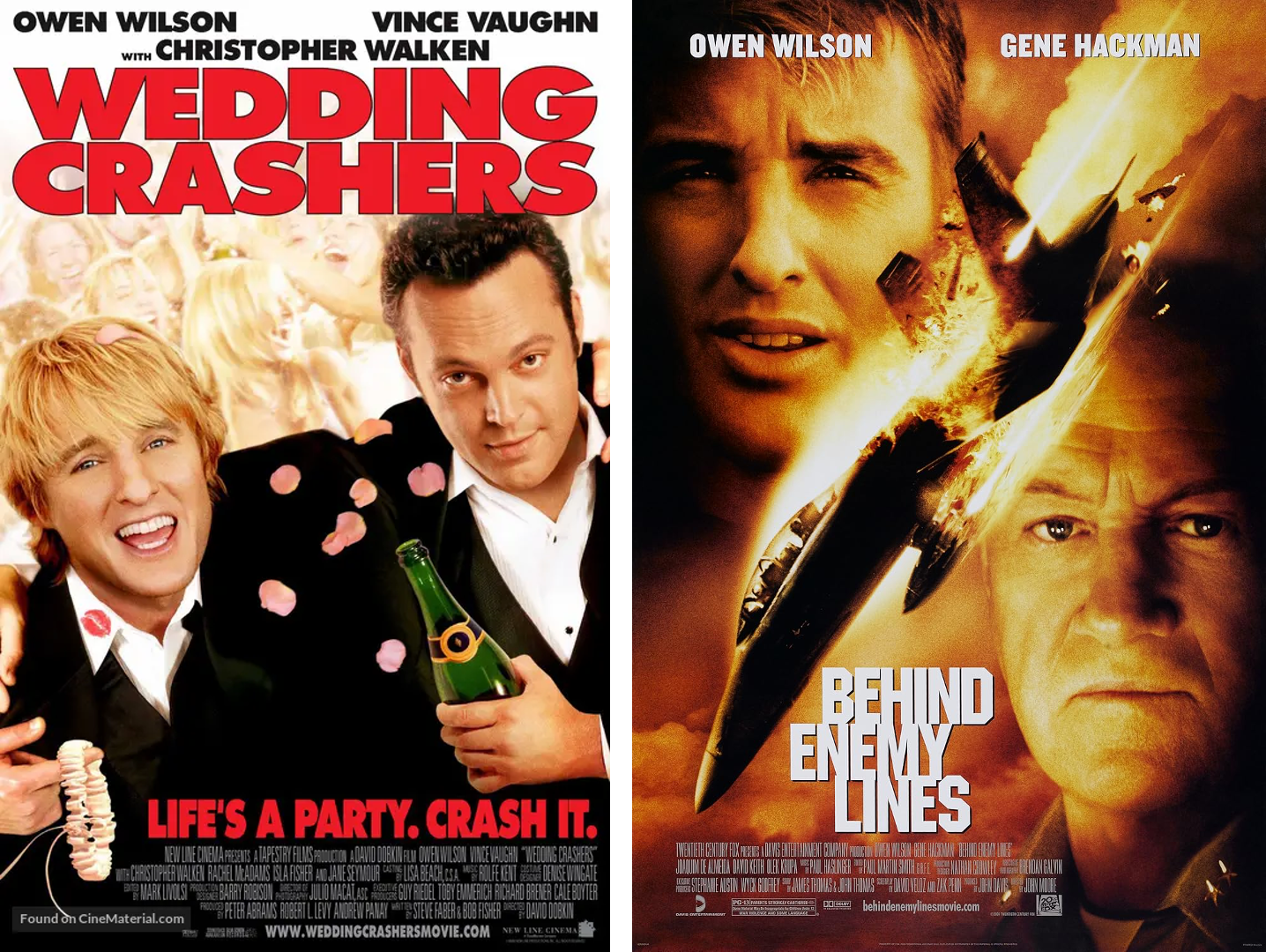
I think of Owen Wilson, who seemed to me to become successful by often playing various versions of the same character (himself?) in many different films. One critic called his recurring role in various movies "the spiritual-flotation-device spacehead." I don’t know if this early typecasting bothered him, but when he starred in the film Behind Enemy Lines—still early in his career—well, it marked a departure. He eventually admitted that he took on that role to try to shed at least some of his image as a comedic actor known for his “charming slacker” roles. (Even a decade later in his acting life when Wilson starred in Woody Allen’s Midnight in Paris—a film I loved—he seemed to be reverting to the Owen Wilson character we’d seen (and usually loved) in many of his early films.) But in Behind Enemy Lines, he wanted to stretch as an actor.
The painter
Lawren Harris is one of the best known artists in Canada’s famed Group of Seven from the first half of the last century. His earliest paintings, which initially established his artistic profile, are quite different from his most famous, now iconic works. And then he evolved again at the end of his career. It’s hard to believe that the same artist created all three of the works below reflecting his changing artistic inclination over time. He wanted to stretch as a painter.
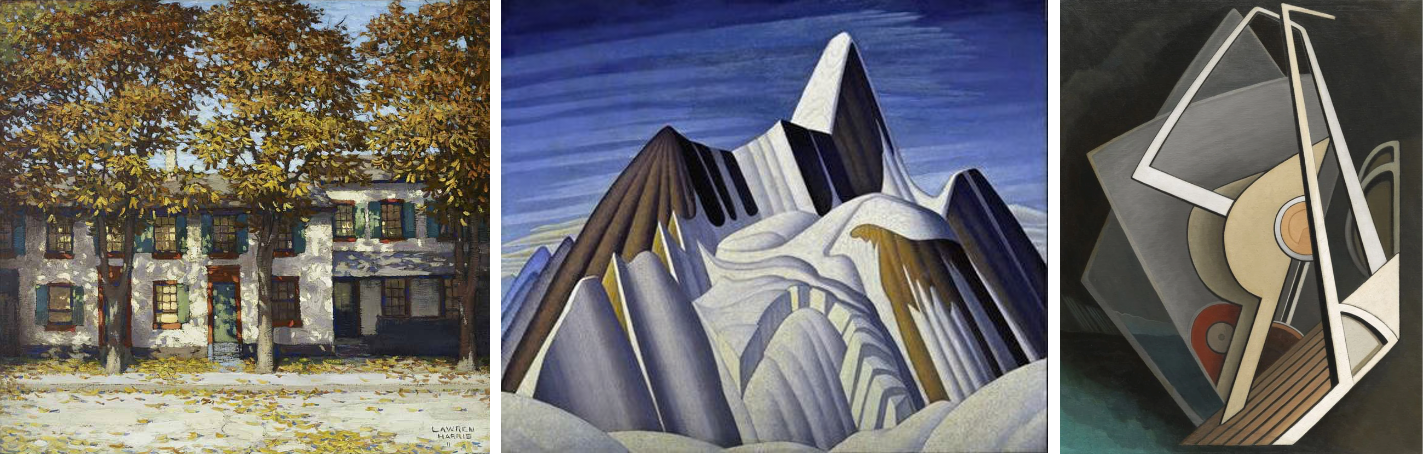
Incidentally, the first painting above, Houses, Richmond Street, among his earliest, may be my favourite Lawren Harris painting. It now hangs in the Art Gallery of Ontario where I visit it often. A reproduction hangs just outside the library in our home where I write. I admire it every day on my way to my desk.
The singer
And here’s a example from the world of music. Linda Ronstadt was a huge star in the 1970s and 80s when I came of age. A searing and soaring voice and a long string of hits, she had few equals as a recording artist. When she was still a big star in the late 1980s, she decided to pivot and record an entire album of mariachi songs to honour her Mexican heritage. She wanted to stretch as a singer.

The guitar player
Not to belabour the point, but my friend, singer/songwriter Rik Emmett cofounder, lead guitarist and vocalist for rock band Triumph, could also slip in here as an extraordinarily gifted artist who was not to be constrained by rock and roll. With Triumph and in his solo career thereafter, he explored many genres of music including classical, flamenco, jazz and blues. Here’s Rik the rock guitar god in 1987 playing one of his many compositions that smacks more of classical and even flamenco than it does of rock and roll. Yet he often played Midsummer’s Daydream alone on the stage when his Triumph bandmates took a short break. What a virtuoso performance that very few guitarists could ever pull off. Rik wanted to stretch as a guitar player and as an artist.
By the way, I went to see Rik and the boys at their 50th anniversary Triumph Reloaded tour stop in Toronto last month. And it was fantastic!
So why am I prattling on about this?
Well, as my editor and I, and the rest of the team at McClelland & Stewart/Penguin Random House finalize my eleventh novel, An End in Itself, I seem to be in a reflective mood and have been thinking a lot about “departures.” This new, short, different novel, surely represents the greatest departure thus far in my writing life.
Now, to be crystal clear, do not think for one instant that I’m viewing my writing life as existing in the same realm as the careers of Owen Wilson, Lawren Harris, Linda Ronstadt, and Rik Emmett. Ha! I wish. But they are all examples of artists who were prepared to turn away from those artistic forms that defined their presence and profile and success. They eschewed the safe path—the “if it ain’t broke, don’t fix it” philosophy—followed their own artistic curiosity, and created something different. I admire that. I admire them.
My “Departures” history as a writer
I’ve touched on this obliquely in earlier posts, but not quite as directly as I’m trying to here.
I’m very proud of my first five novels. When I give book talks, someone in the audience usually asks me which of my novels is my favourite? (In fact, I was asked that very recently when giving a talk in Collingwood, Ontario.) Of course that’s kind of like asking which of my children is my favourite. But I can tell you that at least two of my favourite novels, perhaps three, are from my first five. And they were all more successful than I ever dreamed. And all five were finalists for the Leacock Medal for Humour and two of them somehow—miraculously to me—won.

There’s no “but” coming. I love these novels. I will say in hindsight, that there are certainly similarities across the five. In a way, they are all cut from the same cloth. First person narrators who are good guys, but flawed and finding their way. Self-deprecating humour runs through them. There are romances in each. There are older women doing important things in each (by design, this theme has continued in my novels). There are happy endings in each. And as I wrote about in my last post, there are some eerie similarities in the narrators’ voices across the five novels.'
To be honest, after number five, Poles Apart, I began to worry a little about this box that I had built for myself. I began to consider changing something up so that I wasn’t repeating myself, even as I changed up my characters, settings, and stories. So in my sixth novel, I made my first writerly departure—not that it was dramatic, but it was a departure.
In novels six through ten, I made small but discernible shifts in my storytelling to test myself. I was at least modestly stretching as a writer. Here’s what I mean:
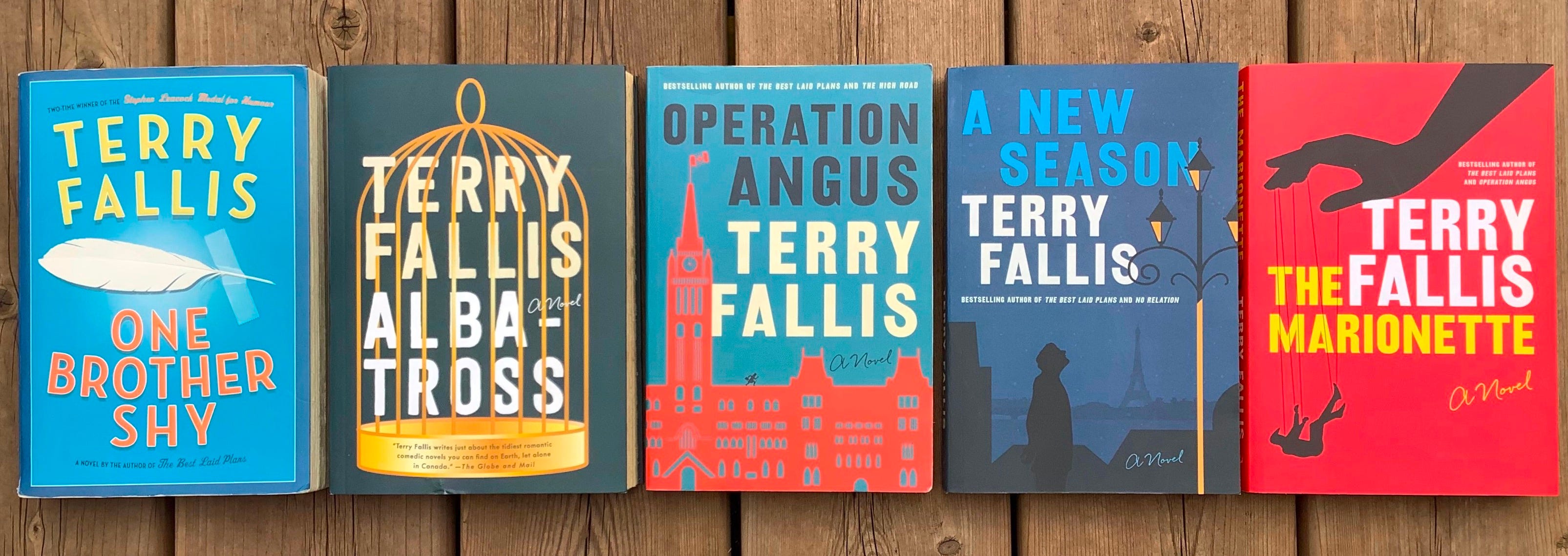
One Brother Shy (2017)
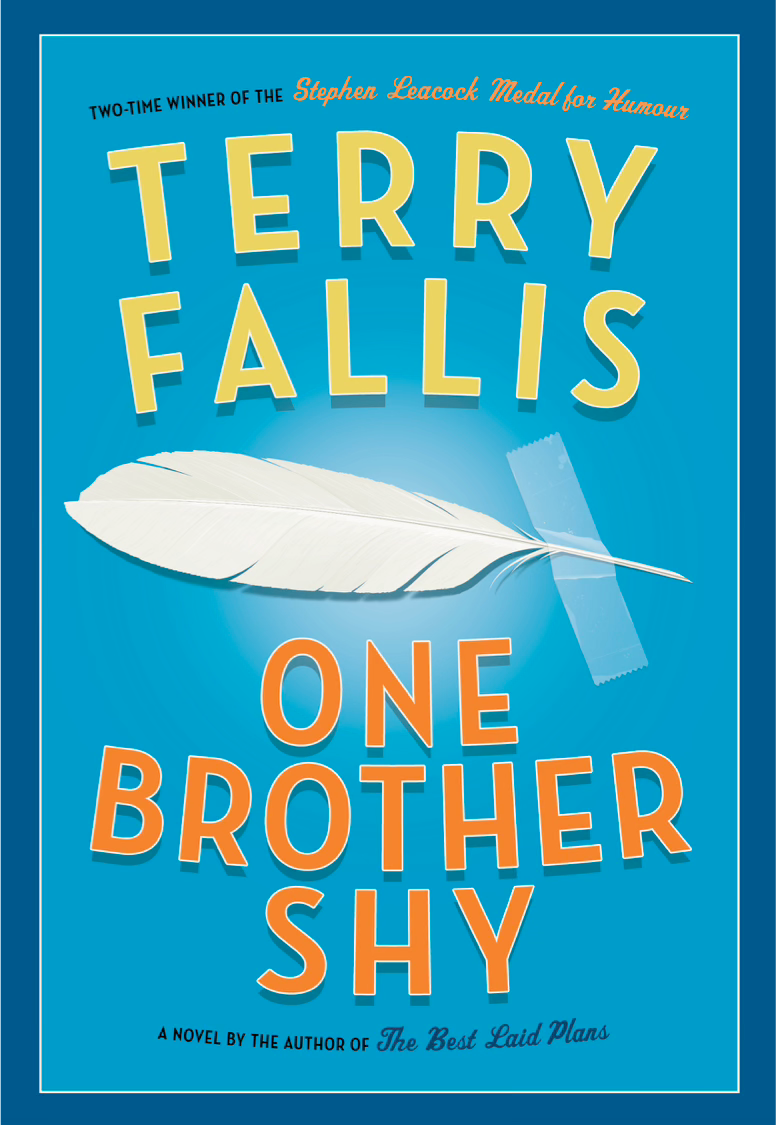
As noted earlier, in my first five novels, all of narrators were flawed in certain ways. But in One Brother Shy, for the first time, my narrator—Alex MacAskill—was not just flawed, he was damaged. A cruel and very public incident while in high school knocked him off his path, and nearly ten years later when the novel opens, he’s still not who he once was or who he was on track to become. This darker undercurrent in the story was a first for me as a writer—a departure of sorts.
Albatross (2019)
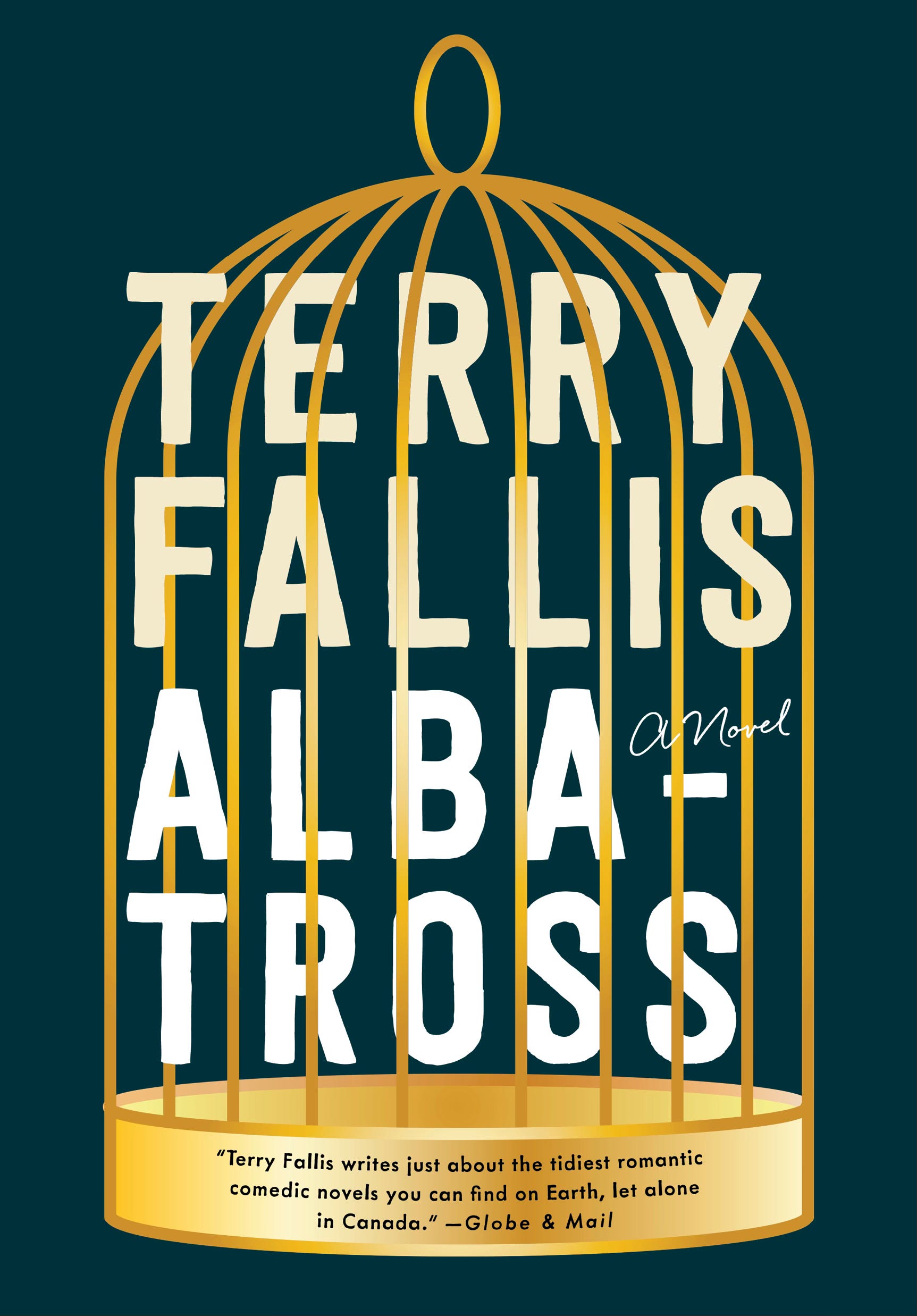
In this, my seventh novel, you’ll find a more modest departure. First of all, I played a little with the timeline of the novel. Without explanation, I opened with a short and very different scene that doesn’t actually occur until much later in the novel. The potential violence of the scene then hangs over the story as readers flash back and make their way through the tale, eventually to revisit that first out of place scene—at least temporally—in its entirety. This second “departure” is really about how shocking the scene is when it finally unfolds. It’s a situation more often found in thrillers than in the kinds of novels I had yet written. In fact, that one scene is unlike anything I’ve ever written up until then. I’m quite certain my loyal readers were caught off-guard—I suppose, as I had intended.
Operation Angus (2021)

Following up on Albatross, I built on my experience writing that one shocking scene, and wrote a novel that I describe as a comic-thriller. A clear departure, even though I brought back Angus McLintock and Daniel Addison from my first two novels to confront and hopefully thwart a plot to assassinate the Russian President in Ottawa during a one-day visit to meet the Prime Minister. The stakes are high. The potential for bloodshed and loss of life is real, yet the tension in the story is leavened with humour. This storyline surely surprised readers who figured with the return of Angus and Daniel, that we’d be back to political satire. More stretching.
A New Season (2023)

This novel was a considerable departure for me. I hope it’s funny in many places, but the very premise of the story—a sixty-something freelance writer recovering from the unexpected loss of his wife from COVID—doesn’t easily lend itself to sustained humour and is clearly different from my earlier books. I’d never written a novel that starts off with more than one emotional gut punch. This surprised my readers, but the response to the novel has been very positive—for which I am grateful.
The Marionette (2025)
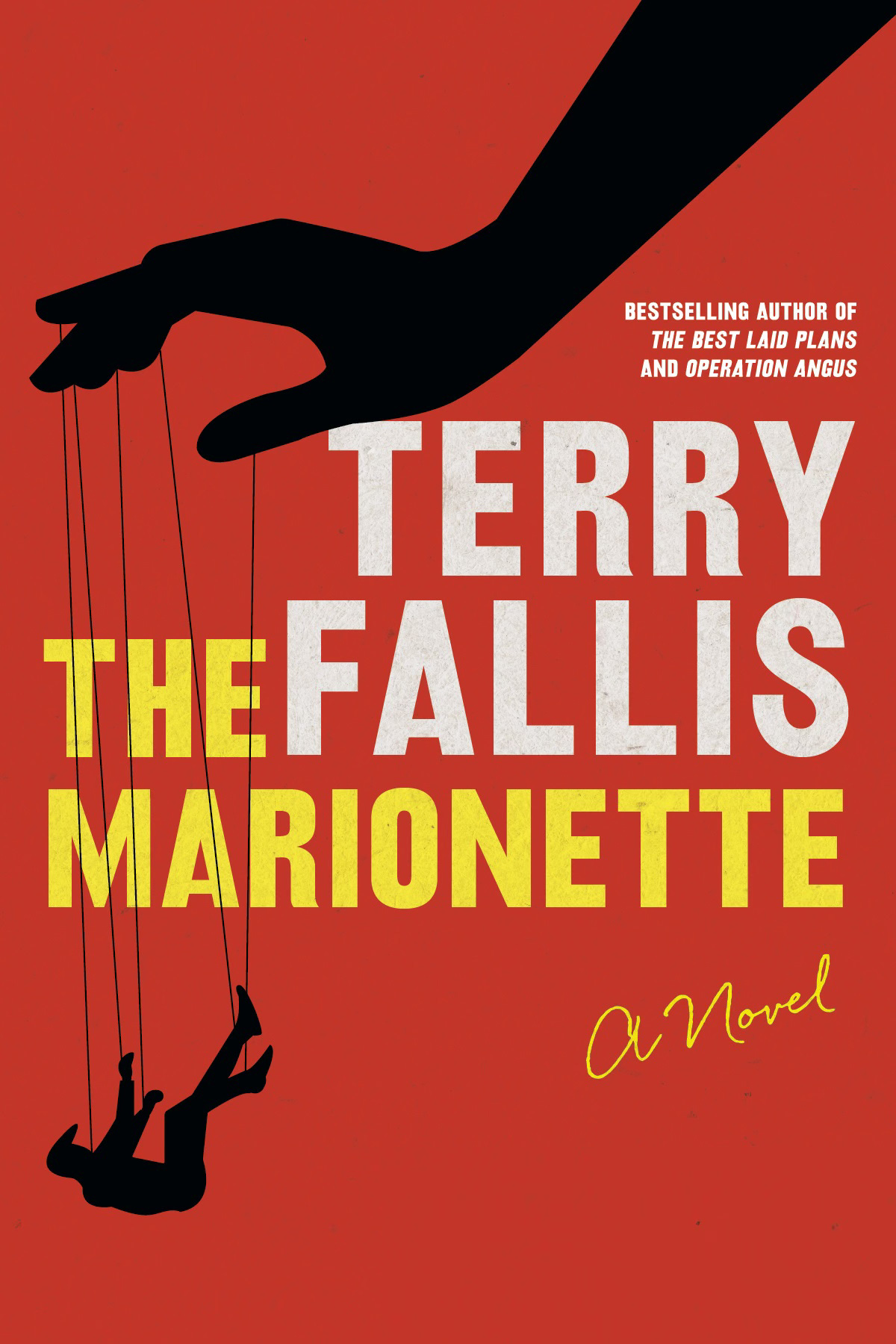
Finally, I challenged myself in The Marionette to try another comic-thriller, but this time I set it in a far-off land. While the story has a clear—I think—Canadian vibe, it opens in Tajikistan before shifting to the west African country of Mali for most of the novel, with a few stops along the way in Madrid, Senegal, Toronto, and Ottawa. While it’s still a first-person narrative, I was trying things in this novel that I’d never attempted before.
Which brings me to…
An End in Itself: Arguably my biggest departure yet
I updated you on my eleventh novel a couple months ago, so I won’t repeat myself here beyond saying that my upcoming eleventh novel is quite different from anything I’ve yet written. Just to summarize what you can read in more detail in my earlier update post:
An End in Itself is not a comic novel, though there are moments of levity.
For the first time, I’ve written in the third-person, not in my customary first-person voice.
I hope it’s slightly more literary than my others.
It’s a short novel—about half the length of my others.
It will be a hardcover book—my first.
It will be a smaller book, not just in page count, but in physical size.
The cover itself (when it’s revealed) will look nothing like my other covers.
A clear departure for me, arguably the novel that’s most different from my others. Stretch.
Here endeth my little exploration of departures. Many artists occasionally feel the need to stretch a little and test their willingness and ability to venture outside the boundaries demarcated by their earlier works. I think that’s what I’m doing in my eleventh novel, and what I’ve been doing in baby steps in my last five novels. With An End in Itself nearly through the publishing process, I feel like I’ve checked into the Departure Lounge.
More to come on the new novel including the cover design and blurbs.
Wrapping up…
Thanks for checking this out. Here’s hoping you’ll subscribe—it’s free, fast, and easy—so you don’t miss future posts. See you in two weeks.

Terry - I so admire your craft and your prodigious output. You’re the
Model for would be authors. Best wishes for the next one
What I particularly enjoy about your style and subjects, is your desire to entertain us with your unique Canadian honesty. It’s inspiring and generous at the same time. Thank you.